Local SEO for Restaurants in Canada: Menu SEO + GBP Strategy
Let's be honest. You didn't open a restaurant to become an SEO expert. You opened it because you love food, hospitality, and the sheer joy of watching someone take their first bite and smile. But here's the cold, hard truth: if your restaurant isn't showing up on Google, you might as well be cooking in the dark.
Canada's foodservice industry hit $96.6 billion in annual sales in 2024 (Statistics Canada), and online orders jumped by 155% between 2022 and 2024. That is not a niche trend, that is an entire customer base shifting digital. The question is: are they finding you, or your competitor down the street?
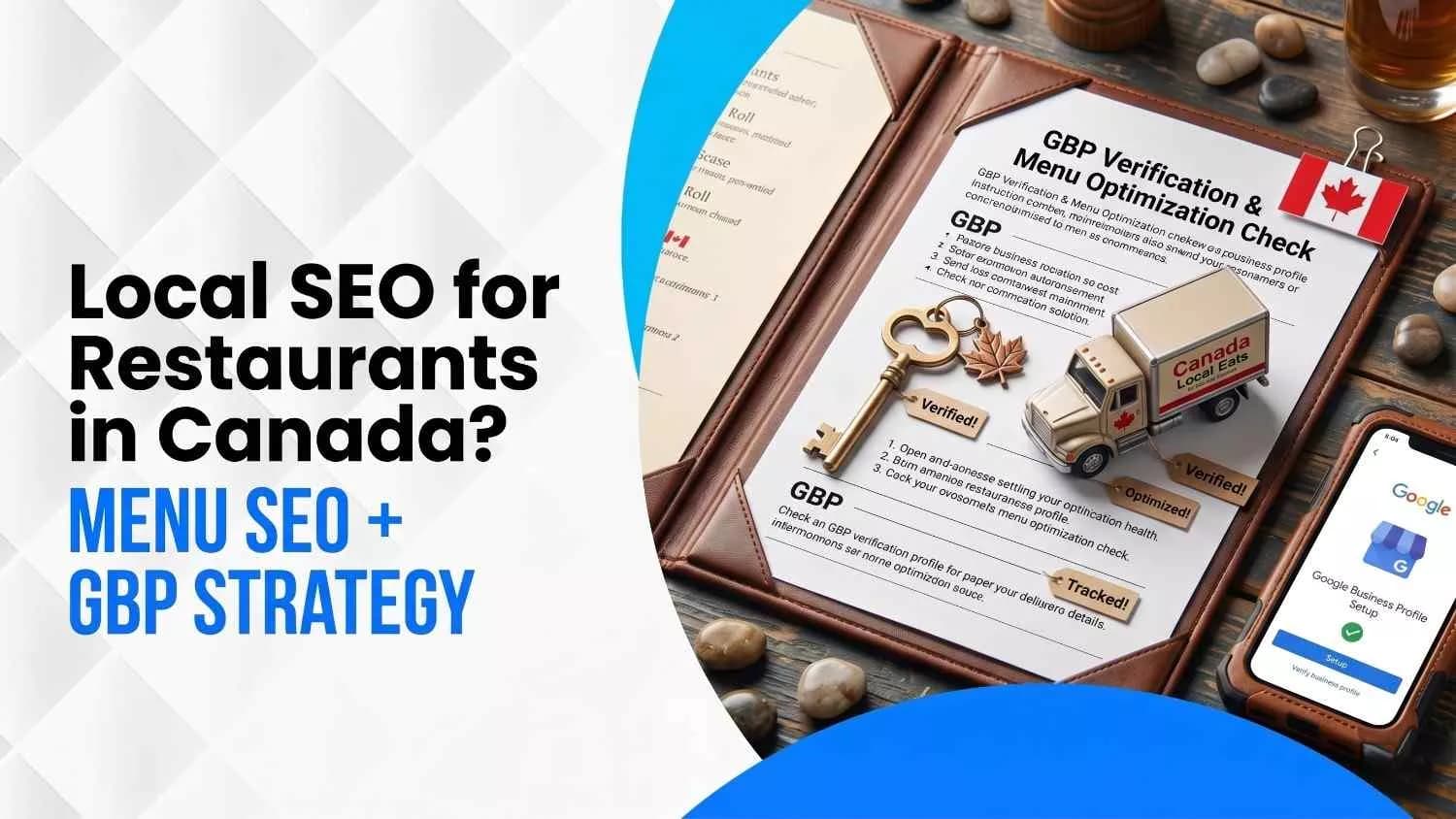
This guide breaks down exactly how local SEO for restaurants in Canada works, with a sharp focus on Menu SEO and Google Business Profile (GBP) optimization, so you can stop guessing and start ranking.
Here's a Quick Local SEO Checklist for Canadian Restaurants:
- Claim and verify your Google Business Profile
- Set the correct primary and secondary business categories
- Upload at least 10 high-quality food and interior photos
- Add your full menu to GBP with dish descriptions
- Implement Restaurant and Menu Schema Markup on your website
- Audit NAP consistency across all major Canadian directories
- Set up a weekly GBP post cadence
- Create a review request process for your front-of-house team
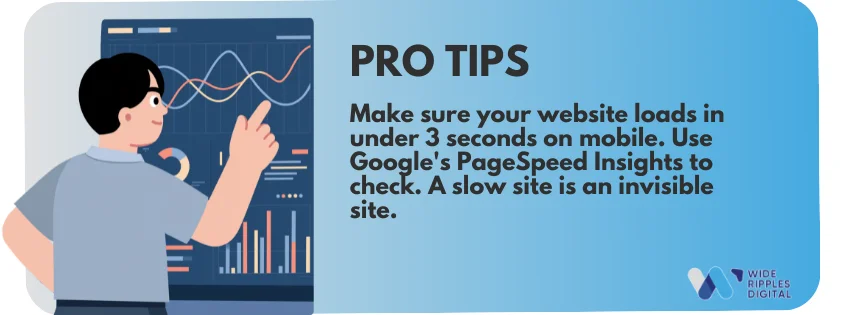
- Optimize your website for mobile speed (target: under 3 seconds)
- Build one keyword-targeted landing page for your top dish or cuisine
Why Local SEO Is Your Most Powerful (and Cheapest) Marketing Tool
Unlike Facebook ads that vanish the second you stop paying, local SEO compounds over time. And for restaurants specifically, the intent signal is off the charts. When someone types "best pho in Burnaby" or "late night tacos Toronto," they are not browsing; they are hungry and about to spend money.
According to BrightLocal's 2024 Consumer Trust Report, 62% of people would avoid a business with incorrect online information. Wrong hours, wrong address, or zero photos? That is revenue walking out the door before a single table is set.
For Canadian restaurants specifically, the competition is fierce, but the opportunity is wide open. Many local spots still haven't fully optimized their online presence, which means a little strategic effort goes a very long way.
Google Business Profile: Set It Up Right or Set It Up to Fail
Your Google Business Profile (GBP) is the single most important local SEO asset your restaurant has. It is free, it is powerful, and most restaurants treat it like an afterthought. Let's fix that.
The Non-Negotiables for Your GBP
- Business name, address, and phone number (NAP) must be 100% accurate and match every other listing online.
- Category selection: Choose your primary category precisely (e.g., "Sushi Restaurant", not just "Restaurant"). Add secondary categories for broader reach.
- Hours: Update holiday hours proactively. Customers who show up to a locked door never forget, or forgive.
- Description: Write 750 characters that actually say something. Mention your cuisine, neighbourhood, specialities, and any unique Canadian elements (hello, locally sourced ingredients).
- Photos: Upload high-quality shots of your food, interior, and team. GBP profiles with photos get significantly more direction requests and website clicks according to Google's own data.
GBP Posts: Your Secret Weapon
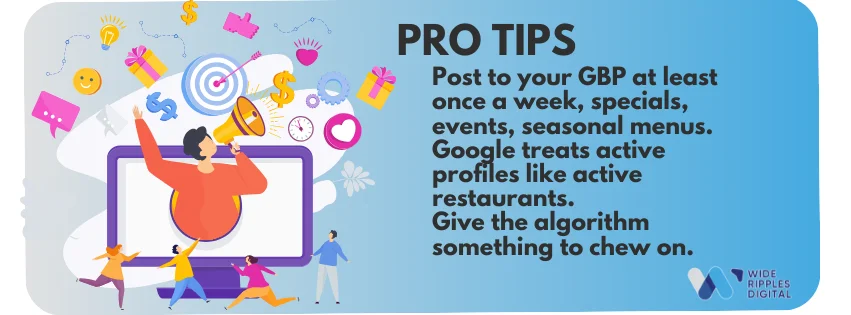
Most restaurants completely ignore the Posts feature on GBP. Big mistake. Use it for:
- Weekly specials and limited-time dishes
- Seasonal Canadian menus (patio season! Maple everything in fall!)
- Events like live music nights, hockey game watch parties, and Thanksgiving prix fixe
- Offers and loyalty promotions
Each post signals to Google that your business is alive, active, and worth surfacing to local searchers.
Menu SEO: The Hidden Ranking Goldmine Most Restaurants Miss
Here is something most restaurant owners do not know: your menu is an SEO document. How it is structured, the words you use, and whether it is indexed by Google can directly affect where you rank for dish-specific searches.
What Is Menu SEO?
Menu SEO is the practice of optimizing your online menu so search engines can read, index, and surface specific dishes in relevant searches. When someone searches "butter chicken delivery in Mississauga" or "gluten-free brunch Vancouver", you want your restaurant to appear.
How to Optimize Your Menu for Search
- Use descriptive dish names: Not just "Pasta", try "House-made Truffle Fettuccine with Crispy Pancetta." Descriptive names match more search queries.
- Add Schema Markup (Restaurant + Menu Schema): This structured data tells Google exactly what items you serve, at what price, and in what category. It can earn you rich snippets in search results, a huge click-through advantage.
- Upload your menu directly to your GBP: Google lets you add menu items natively. Do it. This data appears directly on your profile and in Maps.
- Avoid PDF-only menus: PDFs are mostly invisible to Google's crawler. An HTML menu on your website is infinitely more indexable.
- Include dietary labels: Vegan, halal, gluten-free. These are actual search terms Canadians use. According to Restroworks, 22% of Canadians increased plant-based consumption between 2022 and 2024.

NAP Consistency: The Boring Thing That Secretly Runs Everything
NAP stands for Name, Address, Phone and if these three pieces of information are inconsistent across the web, your local SEO suffers. Badly.
In Canada, your restaurant likely appears on: Google, Yelp Canada, TripAdvisor, OpenTable, Zomato, DoorDash, Uber Eats, and your city's local directory. Every single listing needs to match exactly, same formatting, same suite number, same phone number with or without the country code.
Run a quick audit of your listings today. Even one mismatched address can dilute your local authority signals and push you down the Map Pack rankings.
Reviews: The Social Proof Engine You Cannot Ignore
Reviews are a major ranking signal for local SEO. More importantly, they are what your potential customers read before making a decision. According to Toast's Canadian Restaurant Data, 35% of Canadian diners say online reviews directly influence where they eat.
How to Get More Reviews (Without Begging)
- Train your staff to mention Google reviews at checkout: "If you enjoyed the experience, we'd love a Google review, it means a lot to us!"
- Add a QR code to your table cards or receipts that links directly to your GBP review page.
- Respond to every review, good and bad. Google rewards engagement, and a thoughtful response to a negative review is actually a conversion opportunity.
- Never buy fake reviews. Google is increasingly good at detecting them, and a penalty can wipe your visibility overnight.
Mobile & Voice Search: Where Canadian Diners Actually Search
Most restaurant searches happen on a phone. The Google Maps app, a quick voice search in the car, a text to a friend saying, "find somewhere near you." If your profile and website are not mobile-friendly, you are losing customers before they even know you exist.
For voice search, think in full questions: "Where can I get late-night poutine in Montreal?" or "Is there a halal restaurant open now near me?" Build your GBP description and website content to answer these naturally-phrased queries.
The Bottom Line
Local SEO is not a one-time task. It is an ongoing conversation between your restaurant and the internet, and the restaurants that keep talking are the ones that keep getting found. With Canada's foodservice sector growing steadily and digital ordering becoming the norm, investing in local SEO is not optional. It is the table stakes.
Start with your Google Business Profile. Add your menu. Get consistent. Get reviewed. Then keep going. And if you'd rather focus on cooking the food that got you here in the first place, that's what we're here for.
Quick FAQs
How long does local SEO take to show results?
Do I need a website for local SEO to work?
What's the Google Map Pack?
Should I list my restaurant on every directory?
Disclaimer: The information provided in this blog is for general informational purposes only. For professional assistance and advice, please contact experts.
Written by Khadija
Last updated April 22, 2026