
SEO Competitor Analysis in Canada That Shows Exactly Why They Outrank You
We take the three sites beating you and pull them apart: which terms they own, which pages earn it, where their links come from, and how their site is built. Then we show you which of those gaps you can realistically close.
- Free three competitor comparison
- Gaps ranked by what they are worth
- Actionable plan, not just charts
What does an SEO competitor analysis actually look at?
Four things: which keywords they rank for that you do not, which of their pages earn that traffic, where their backlinks come from, and how their site is structured technically. The gap between those four and yours is your plan.
Most businesses already know who their competitors are. What they usually do not know is which competitor is actually winning in search, which is often a different company entirely. The business you compete with at trade shows may be invisible online, while a smaller operator quietly takes half the search traffic in your category.
So the first job is identifying the real search competitors rather than the commercial ones. We find that by looking at who consistently appears for the terms you care about, then checking which of them get meaningful traffic rather than just a ranking.
From there the analysis is concrete. If a competitor ranks for 340 terms you do not, we want to know which of those terms have buying intent, which pages capture them, and whether those pages are winning on content, on links, or simply because they existed first.
- Keyword gap: terms they rank for and you do not
- Content gap: the pages producing their organic traffic
- Link gap: sites that link to them and not to you
- Technical gap: speed, structure and markup differences
What is included in a competitor analysis report?
A ranked keyword gap list, a breakdown of their best performing pages, their link sources, their technical setup, their paid activity, and a prioritised list of what to do about it.
The report is built to be acted on. Every finding comes with a recommendation and an estimate of what closing that gap is worth.
Search visibility
- Real search competitors identified, not just commercial ones
- Keyword gap list filtered by intent and Canadian volume
- Their top traffic pages and what those pages do well
- Ranking distribution: where they are strong and where they are thin
- Featured snippets and rich results they hold
- Visibility trend over the last twelve months
Authority and content
- Referring domains they have that you do not
- Which of their pages attract links and why
- Content depth, format and update frequency compared to yours
- Topics they cover completely and you cover partially
- Anchor text patterns across their link profile
- Digital PR and coverage they have earned
Technical and paid
- Core Web Vitals and mobile performance compared
- Site structure, internal linking and URL patterns
- Schema markup they use and you do not
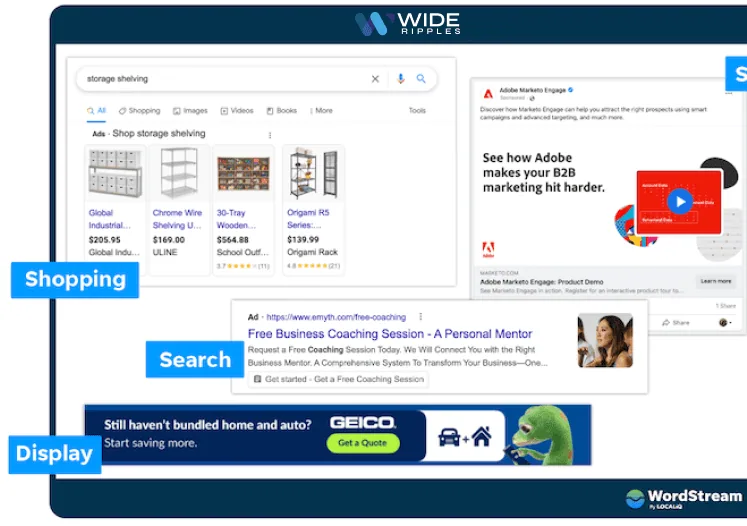
- Paid search terms they bid on and their ad messaging
- Landing pages behind their paid campaigns
- A prioritised action list with effort and value on each item
How does the analysis get done?
Two to three weeks. Identify the real competitors, pull the data across keywords, content, links and technical, then work out which gaps are genuinely closeable given your site and your budget.
- Week 1
Identify who really competes
We map who appears for your priority terms and check which of them get real traffic. This often surfaces a competitor the client had not considered at all.
- Week 1 to 2
Pull the data
Keyword overlap, top pages, backlink profiles, technical benchmarks and paid activity, gathered across multiple sources rather than one tool so the picture is not skewed by one dataset.
- Week 2
Judge what is closeable
A gap is only useful if you can close it. We filter out terms that need authority you will not have this year, and focus on the ones reachable with content and on page work.
- Week 2 to 3
Deliver the plan
A prioritised action list with what each item is likely worth, delivered on a call so you can question the reasoning rather than just receive a document.
Which competitor gaps are worth attacking first?
Content gaps close fastest and cost least. Technical gaps are usually quick wins. Authority gaps take longest and cost most, so they are worth attacking only where the term justifies the investment.
| Gap type | How hard to close | Typical time | Worth attacking when |
|---|---|---|---|
| Missing pages for terms they own | Low to medium | 2 to 4 months | The term has buying intent and reachable difficulty |
| Thinner content on the same topic | Low | 6 to 12 weeks | You already rank on page two for the term |
| Weaker technical performance | Low | 2 to 6 weeks | Almost always, since it helps every page at once |
| Fewer referring domains | High | 6 to 12 months | The category is genuinely authority driven |
| Missing schema and rich results | Low | 2 to 6 weeks | Competitors are visibly winning extra space on the results page |
| Better local signals | Medium | 1 to 3 months | You compete locally and they hold the map pack |
We rank the actual findings from your report this way, so the first month of work is always the cheapest available wins.
Is this different from running a tool report myself?
A tool will hand you a gap list of two thousand keywords. The value is in filtering that down to the ones with buying intent, that you can realistically win, and that justify the work. That filtering is most of the job.
| Comparison point | Wide Ripples Digital | A tool export |
|---|---|---|
| Competitor selection | Chosen from who actually ranks and gets traffic | Whichever domains you typed in |
| Gap filtering | Filtered by intent, Canadian volume and reachability | Every keyword difference, unfiltered |
| Why they win | Diagnosed per page: content, links or age | Not addressed |
| Data sources | Cross checked across several tools plus manual review | One tool, one estimate |
| Output | A prioritised plan with value and effort per item | A CSV |
| Local nuance | Canadian volumes and map pack behaviour accounted for | Usually United States defaults |
How is competitor analysis scoped?
As a fixed price project covering three to five competitors, or refreshed quarterly inside an SEO retainer. The deliverable is yours either way and does not depend on continuing to work with us.
Quarterly refresh matters more than most people expect. Competitor content strategies change, new entrants appear, and a gap that was unreachable last year often becomes reachable once your own authority has grown.
- Competitors analysed
- 3 to 5
- Weeks to deliver
- 2 to 3
- Refresh inside a retainer
- Quarterly
- Every finding by value
- Ranked
Competitor analysis questions
The free comparison covers three competitors and the highest value gaps we can see without full access.
Ask us directlyHow do I know who my real SEO competitors are?
They are whoever appears repeatedly for the terms you want, which is often not who you compete with commercially. Directories, marketplaces and national aggregators frequently take the traffic in Canadian service categories, and they need a different response than a direct rival does.
How accurate is competitor traffic data?
Estimates from any tool are approximate, sometimes badly so. We use them for relative comparison rather than absolute numbers, and cross check across sources. What is reliable is which keywords they rank for and where their links come from, and that is where the plan comes from.
Can I outrank a much bigger competitor?
On their strongest head terms, often not quickly. On the specific, high intent terms they cover thinly, very often yes. Most successful challenger strategies win the long tail first and build authority from that, rather than attacking the biggest term on day one.
How often should I redo this?
Quarterly is enough for most categories. Do it sooner if a new competitor appears, if a competitor visibly relaunches their site, or if your own rankings shift without an obvious cause on your side.
Do you analyse paid campaigns too?
Yes, where they run them. Which terms competitors bid on tells you what converts for them, and their ad copy tells you how they position against you. That is useful even if you never run a paid campaign yourself.
What if my competitors are all national brands?
Then the strategy shifts to where scale does not help them: local intent, specific niche services, and depth on subjects a national team will not bother covering properly. National brands almost always leave that ground open.
Services that work well alongside this one
- Keyword ResearchTurning the gap list into a mapped build plan.
- Search Engine OptimizationThe programme that closes the gaps found here.
- Off-Page SEO & Link BuildingClosing the authority gap where it is worth closing.
- On Page SEOFixing pages that already compete but sit just short.
- Technical Website AnalysisThe technical differences that hold a whole site back.
- Content MarketingBuilding the pages competitors already have and you do not.
Find out exactly what your competitors are doing that you are not
Give us three competitor URLs. We will come back with the keyword and link gaps we can see, which of them are worth attacking, and roughly what closing them is worth. No charge and no obligation.