
Website Designing Services in Canada for Businesses That Need the Site to Sell
Custom website design that starts with structure and ends with a design system your developer can build from. Every template designed, every state accounted for, and every layout tested on a phone before you see it.
- Free design review of your current site
- Every template designed, not just the home page
- Files handed over in full
What does a website designing service include?
Structure and wireframes, visual design for every template, a component system so pages stay consistent, mobile layouts designed rather than squeezed, and a handover package your developer can build from without guessing.
Design work goes wrong in a predictable way. The home page gets all the attention, the inner pages get sketched, and the blog template never gets designed at all. Then the developer improvises, the client sees the result, and everybody is disappointed with something nobody actually designed.
We design what the site actually needs. That means every unique template, the states that are easy to forget like empty results and error messages, and the mobile layout as its own design rather than a narrower version of the desktop one.
The output is a design system, not a set of pictures. Colours, type scale, spacing, buttons, cards, forms and every component defined once so pages built later still look like they belong. That is what stops a site drifting six months after launch.
- Wireframes before visual design, so structure is settled first
- Every template designed including blog, listing, form and 404
- Mobile designed properly, not derived from desktop
- A component system so future pages stay consistent
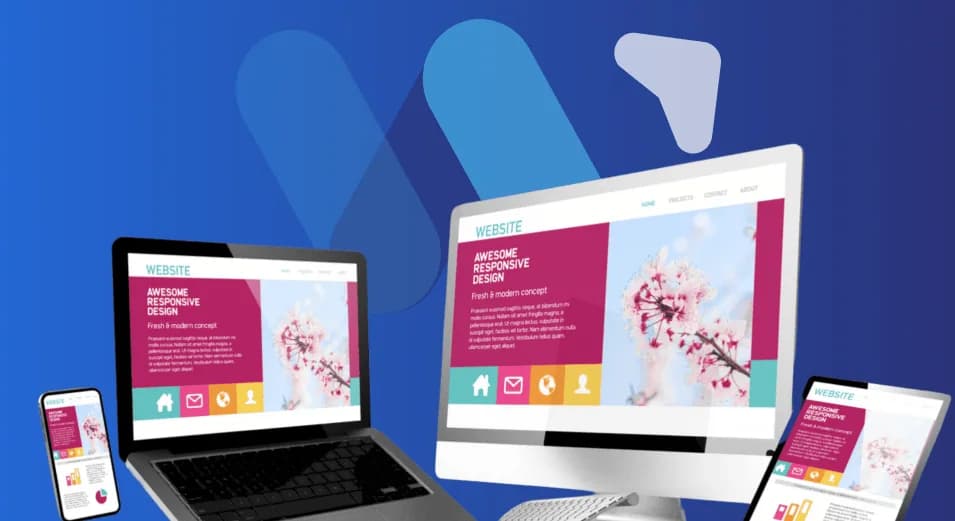
What do you receive at the end of a design project?
Wireframes, full visual designs for desktop and mobile, a component library, a style guide covering type, colour and spacing, exported assets, and a developer handover with the specifications written down.
Everything is delivered in editable files you own. If you build with another developer later, nothing has to be recreated.
Structure
- Sitemap and page hierarchy agreed before design starts
- User flows for the paths that matter, such as enquiry and checkout
- Wireframes for every unique template
- Content requirements per section so copy and design fit each other
- Conversion points planned rather than added at the end
- Navigation designed for the real page count, not a sample of five
Visual design
- Full designs for every template, desktop and mobile
- Type scale, colour system and spacing rules defined
- Component library: buttons, cards, forms, tables, alerts
- Interactive states designed: hover, focus, active, disabled, error
- Empty, loading and error states that are usually forgotten
- Accessibility checked on contrast and focus visibility
Handover
- Editable source files, yours to keep
- Exported assets in the formats a developer needs
- Written style guide covering the system, not just the screens
- Annotated specs for spacing, behaviour and breakpoints
- A walkthrough call with your developer, whoever they are
- Design support during the build so questions get answered
How does the design process work?
Discovery, wireframes, visual design, then handover. You approve each stage before the next begins, which keeps revisions cheap. Changing a wireframe takes an hour. Changing a finished design across fifteen templates takes a week.
- Week 1
Discovery
Your goals, your customers, your competitors, and what is wrong with the current site. We also gather what you like and dislike visually, so taste is discussed early rather than discovered in round three.
- Week 1 to 3
Wireframes
Grey box layouts for every template. No colour, no imagery, nothing to distract from whether the structure works and whether the content order makes sense.
- Week 3 to 6
Visual design
The home page and one inner page first, to settle the visual direction. Once that is approved the rest of the templates follow quickly because the system is already decided.
- Week 6 to 7
Handover
Component library, style guide, assets and specs, delivered with a walkthrough for whoever is building it. We stay available through the build for questions.
How much does website design cost in Canada?
Design only projects generally run from 2,500 dollars for a small site to 15,000 dollars and up for a large one. The number is driven by how many unique templates are needed, not by the total page count.
A twenty page site with four templates costs less to design than a six page site where every page is unique. That is why we scope from the template count after the sitemap is agreed.
| Scope | Typical price | Templates | Timeline |
|---|---|---|---|
| Small business site | $2,500 to $5,000 | 4 to 6 unique templates | 3 to 5 weeks |
| Service business site | $5,000 to $9,000 | 7 to 12 templates | 5 to 7 weeks |
| Ecommerce | $8,000 to $15,000 | 12 to 20 templates plus states | 6 to 10 weeks |
| Design system only | $4,000 to $8,000 | Component library and rules | 3 to 5 weeks |
| Single page redesign | $900 to $2,000 | One template, desktop and mobile | 1 to 2 weeks |
Development is quoted separately. We can build it, or hand the design to your team or another developer with full specs.
Why pay for design instead of buying a template?
A template is a reasonable starting point if your requirements match what it was built for. The cost shows up when they do not, and you end up paying a developer to fight the theme for every change you need.
| Comparison point | Custom design | Premium template |
|---|---|---|
| Fit to your business | Built around your services and your conversion path | Built around a demo business that is not yours |
| Content flexibility | Designed for the content you actually have | Your content forced into the demo layout |
| Performance | Only what the site needs is built | Every feature the theme offers loads whether used or not |
| Differentiation | Looks like nobody else | Recognisable to anyone who has seen the theme before |
| Change later | A documented system anyone can extend | Fighting the theme, or a rebuild |
| Upfront cost | Higher | Lower, which is a genuine advantage early on |
For a first site on a tight budget, a good template is often the right call. We will say so rather than sell you design you do not need yet.
How do revisions and approvals work?
Two revision rounds are included at each stage, and each stage is signed off before the next begins. Feedback is collected in one place rather than across email threads, so nothing conflicts or gets lost.
Stage gates exist to protect your budget. Most expensive design projects go wrong because structural feedback arrives after the visual design is finished, when the same change costs ten times more to make.
- Revisions per stage
- 2 rounds
- Approval before moving on
- Stage gate
- Designed, not derived
- Mobile first
- Source files on delivery
- Yours
Website design questions we get asked
Send us your current site and we will review the design, the structure and where it is likely losing enquiries. No charge.
Ask us directlyHow long does website design take?
Three to seven weeks for most business sites, depending on template count and how quickly feedback comes back. The design itself is rarely the bottleneck. Waiting for approvals and content decisions is what usually stretches a timeline.
Do you build the site as well or just design it?
Both are available. Plenty of clients have us design and then build with us. Others have an in house developer or an existing agency, and take the design with full specifications. The handover is built to work either way.
What if I do not like the first design?
That is what the wireframe stage and the first visual concept are for. We settle direction on one page before designing fifteen, so a change of direction costs a few days rather than the whole project. Two revision rounds are included at each stage.
Do you design for mobile separately?
Yes. Mobile gets its own layouts rather than being derived automatically. For most Canadian businesses more than half of traffic is mobile, and for local searches it is often much higher, so mobile is the primary design rather than the fallback.
Can you work with our existing brand guidelines?
Yes, and we prefer to when they exist and are good. Where guidelines are thin, which is common, we extend them into what a website actually needs: a type scale, spacing rules, interaction states and component styles that a logo file never covers.
What software do you design in?
Figma, which means you can view and comment on everything without buying anything, and any developer can inspect the specs directly. The files are shared with you as owner rather than as a viewer of our account.
Will the design actually improve conversions?
It should, and the parts that drive that are structural: what the page leads with, where proof sits, how much friction the form adds, how clear the next step is. Where conversion is the main goal we recommend measuring the current site first so the comparison is real.
Services that work well alongside this one
- Web Design ServicesDesign and development together as one project.
- UI/UX WireframingStructure and flows on their own, before visual design.
- Custom Web DevelopmentBuilding what the design specifies.
- Branding & Logo DesignIdentity work where the brand needs to come first.
- Website OptimizationImproving an existing site without a full redesign.
- Social Media Post DesignExtending the same visual system into social.
Get an honest review of what your current design is costing you
Send us the URL. We will look at the structure, the conversion path and how it performs on a phone, then tell you whether it needs a redesign or just a few targeted changes. No charge either way.